
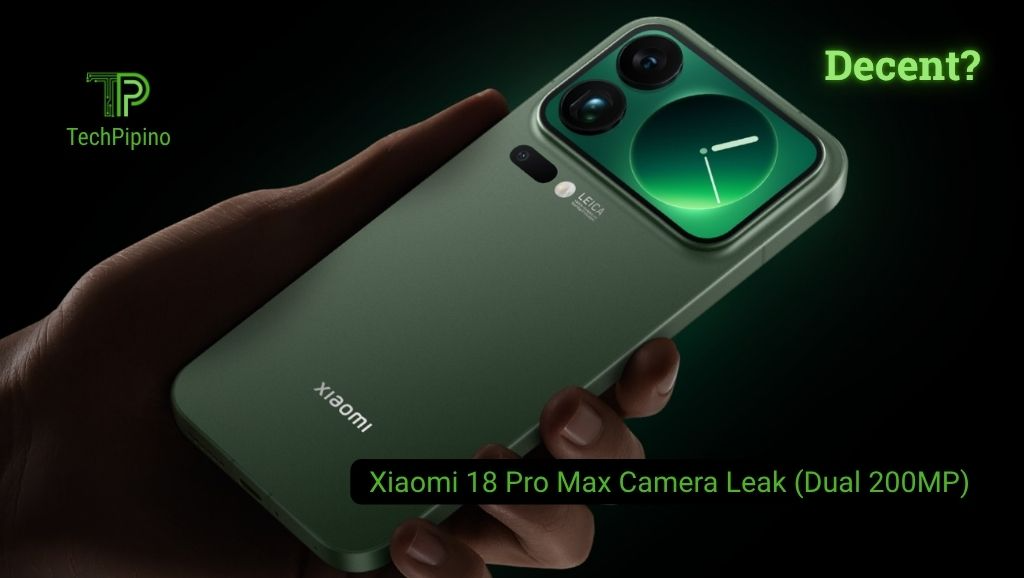
The recent Xiaomi 18 Pro Max camera leak indicates a significant departure from the 50MP optical systems of the previous generation. Industry sources from China report that the upcoming flagship will integrate two 200MP sensors, focusing heavily on computational imaging and improved dynamic range through a new sensor architecture. This shift demonstrates a hardware strategy that prioritizes consistent image resolution across multiple focal lengths over isolated main-sensor performance.
Next-Generation Imaging Architecture
At the core of this Xiaomi 18 Pro Max camera leak is the transition to a 1/1.28-inch primary sensor equipped with new generation LOFIC technology. Lateral Overflow Integration Capacitor (LOFIC) architecture handles excess light at the pixel level, preventing highlight clipping before the signal is converted to digital data. This physical light management directly impacts real-world photography by preserving shadow details in high-contrast environments without relying entirely on multi-frame software processing. By capturing a wider dynamic range natively, the sensor reduces the computational load on the image signal processor, yielding faster capture times and more consistent low-light performance. If you are unfamiliar with how sensor resolution impacts light gathering, reviewing how camera megapixels explained functions in modern hardware provides useful context.
Sustained Telephoto Performance
The telephoto module is receiving a symmetrical upgrade, adopting a 200MP 1/1.56-inch sensor paired with an f/2.4 aperture and 3x optical zoom. Maintaining an equal 200MP resolution across both the primary and telephoto lenses allows the camera system to deliver sustained detail retention and unified color science regardless of the selected focal length. Additionally, the telemacro focusing distance has been reduced from the 30cm limit of the Xiaomi 17 Pro Max down to 15cm. This physical reduction in minimum focus distance expands the optical versatility of the telephoto lens, enabling sharp, high-resolution macro photography without the artifacting common in digital crops.
Processing Power and Display Metrics
Processing these high-resolution imaging pipelines requires substantial computational throughput. Current data points to the integration of the Qualcomm Snapdragon 8 Elite Gen 6 Pro System-on-Chip. The efficiency gains from this architecture will be critical for managing the thermal output generated by processing dual 200MP image streams, ensuring sustained performance during extended 4K or 8K video recording sessions. The hardware package is completed by a 6.9-inch flat LIPO OLED display and the retention of the series signature rear-facing secondary screen.
Quick Specs Overview
| Component | Specification |
| Primary Camera | 200MP, 1/1.28-inch LOFIC sensor |
| Telephoto Camera | 200MP, 1/1.56-inch sensor, 3x optical zoom |
| Telephoto Aperture | f/2.4 |
| Macro Focus Distance | 15cm (reduced from 30cm) |
| Display | 6.9-inch flat LIPO OLED |
| Processor | Qualcomm Snapdragon 8 Elite Gen 6 Pro |
Why It Matters
The hardware configuration detailed in the Xiaomi 18 Pro Max camera leak signals a shift toward optical parity across all rear lenses. By utilizing dual 200MP sensors and hardware-level LOFIC light management, the device is engineered to provide a predictable and consistent imaging experience. This approach minimizes the quality degradation typically seen when switching between main and zoom lenses, establishing a more reliable tool for mobile photography.
Frequently Asked Questions
What is the main camera resolution of the Xiaomi 18 Pro Max?
According to recent leaks, the main camera will utilize a 200MP 1/1.28-inch sensor equipped with LOFIC technology.
How does the new telephoto lens compare to the previous generation?
The telephoto camera has been upgraded to a 200MP 1/1.56-inch sensor with 3x optical zoom, improving upon the 50MP 5x optical zoom found in its predecessor.
What is the minimum macro focusing distance?
The telemacro focusing distance has been halved to 15cm, allowing for much closer and more detailed macro photography.
Which processor will power the Xiaomi 18 Pro Max?
The device is expected to feature the Qualcomm Snapdragon 8 Elite Gen 6 Pro SoC to handle the heavy computational load of the dual 200MP cameras.


