
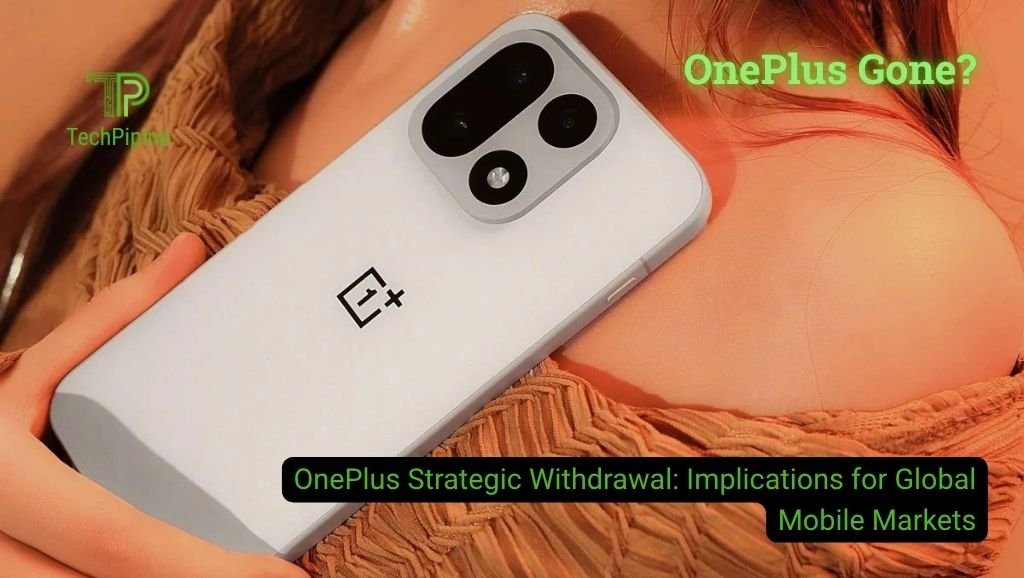
The integration of OnePlus into the broader Oppo operational structure is reaching a critical inflection point. Reports indicate that OnePlus will cease operations in major markets, including Europe and the United States, as part of a significant strategic realignment. This shift transitions OnePlus from a distinct global competitor into a localized sub-brand within the Oppo ecosystem, specifically within the Chinese and Indian markets.
Architectural and Market Consolidation
The shift represents the culmination of a multi-year consolidation process where Oppo steadily absorbed the research, development, and supply chain infrastructure of OnePlus. From a systems perspective, the overlap between Oppo and OnePlus product lines previously created internal cannibalization. By removing the OnePlus brand from Western markets, Oppo likely aims to consolidate its marketing expenditure and distribution channels under a single corporate identity.
The primary differentiator for OnePlus was its focus on performance-to-price ratios in the mid-to-high tier sector. As Oppo shifts its focus to these markets, it must reconcile the price delta between its premium-positioned devices and the value-oriented architecture previously synonymous with the OnePlus name. Without the OnePlus brand, Oppo faces the logistical challenge of maintaining market share while transitioning users toward devices that carry a higher average selling price.
Operational Continuity and Lifecycle Management
According to reports, current device owners will continue to receive software and security updates through the conclusion of their respective product lifecycles. This commitment to maintenance is critical for minimizing consumer attrition during the brand transition. Remaining inventory will be liquidated, and no further hardware iterations for the European or North American regions are currently in the product pipeline.
In markets like India and China, the brand will persist but with a narrowed scope. OnePlus is expected to pivot toward entry-level and mid-range mobile hardware. This repositioning suggests that the high-end flagship segments in these regions will be served primarily by the Oppo-branded product stack.
Quick Specs: The Current Flagship Baseline
| Metric | Specification |
| Processor | Qualcomm Snapdragon 8 Gen 5 |
| RAM | Up to 16GB LPDDR5X |
| Storage | Up to 1TB UFS 4.0 |
| Display | 6.7-inch LTPO AMOLED |
| Refresh Rate | 120Hz |
| Charging | 100W SuperVOOC |
Why It Matters
This realignment signals an end to the era of niche, enthusiast-focused Android brands operating as independent entities within larger corporate conglomerates. For the industry, the withdrawal suggests that the competitive landscape has consolidated to a point where maintaining multiple, overlapping hardware brands is no longer economically viable. Consumers in the affected regions must now prepare for a shift toward the Oppo device ecosystem or seek alternatives in a market with one less established player.
Frequently Asked Questions
Will my current OnePlus phone stop working?
No. Existing devices will remain functional, and software support will continue until the end of the officially stated support lifecycle.
Can I still buy a new OnePlus device in Europe or the US?
Availability is limited to remaining stock. Once current inventory is sold, no new units are expected to be imported or manufactured for these regions.
What happens to OnePlus in India and China?
OnePlus will continue to operate as a sub-brand of Oppo, focusing on lower-priced hardware rather than premium flagship smartphones.
Why is Oppo making this change?
The move serves to eliminate brand overlap and consolidate distribution, marketing, and supply chain resources under a single corporate entity.


