
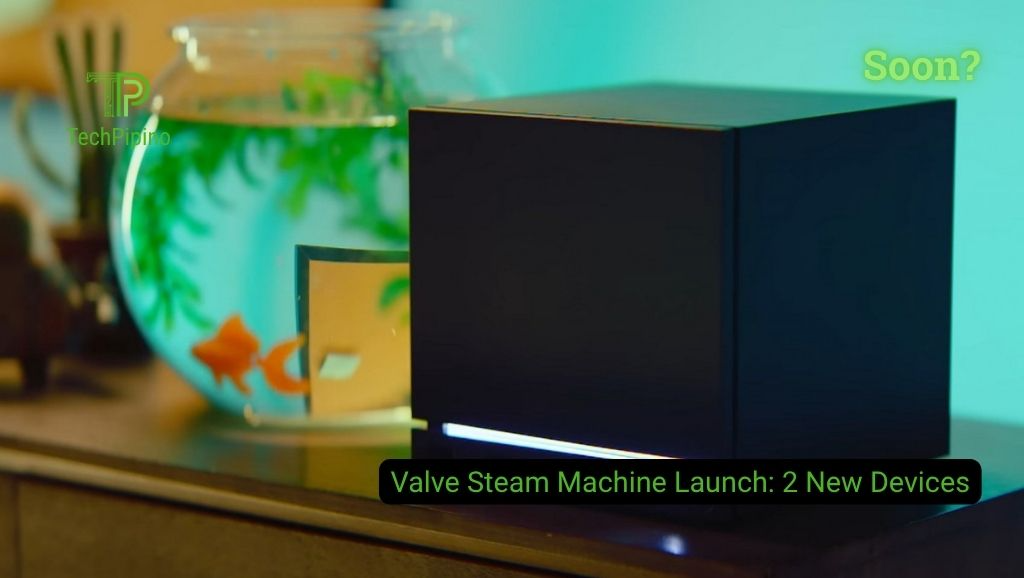
Valve has confirmed that the Valve Steam Machine and the Steam Frame VR headset will launch this summer. In a developer update focused on expanding its hardware ecosystem, the company announced that both platforms are now integrated into the Steam Deck Verified compatibility program. This move establishes a uniform software optimization framework across different form factors, allowing developers to target consistent execution standards.
Architectural Standardization and the Verified Framework
Integrating the upcoming hardware into the established deployment environment simplifies optimization pathways. For the Valve Steam Machine, the performance profile and verification standards will directly mirror the configuration requirements established by the Steam Deck ecosystem. This ensures that software layers, operating system builds, and compatibility wrappers execute reliably across both mobile and stationary architectures.
Conversely, the Steam Frame VR headset introduces a specialized standalone operating mode. The Verified certification for this device targets an immediate out-of-the-box experience, mandating that rendering pipelines, position tracking, and framework execution operate entirely within the internal computing units without requiring auxiliary external rendering hosts.
Macroeconomic Constraints and Component Pricing
While the hardware rollout timeline is solidifying, the economic landscape introduces notable pricing pressures. Global hardware ecosystems are experiencing significant challenges due to volatile supply chains, a trend seen in how a memory chip price surge threatens market stability. Valve itself has adjusted its baseline hardware pricing, with recent Steam Deck stock re-entering the market at higher premium brackets of $789 and $949 depending on the internal storage capacities.
These adjustments reflect broader consumer hardware developments, matching patterns observed during the recent global PS5 and PS5 Pro price hike. High density DRAM and flash manufacturing costs continue to drive overall Bill of Materials (BOM) upward, meaning consumers should expect the initial retail pricing of both ecosystems to reflect these elevated silicon component market rates.
Technical Parameter Overview
The unified standard parameters for the expanding platform architecture present specific baseline targets for developers.
| Metric or Program Parameter | Valve Steam Machine Requirement | Steam Frame VR Target |
| Verification Framework | Steam Deck Core Compatibility | Autonomous Standalone Runtime |
| Input Mapping Target | Unified Steam Input Architecture | Integrated Spatial Tracking |
| Base OS Platform | SteamOS Linux Architecture | SteamOS VR Spatial Edition |
| Component Cost Impact | High Density DRAM Deficit | High Density DRAM Deficit |
| Historical Base Tier | Reference $789 Pricing Bracket | Premium Tier Alignment |
Why It Matters
The expansion of the verification platform indicates a strategic pivot from single-device hardware manufacturing to a structured, cross-architecture operating ecosystem. By binding the new home console hardware and standalone VR headset to the exact software targets of the Steam Deck, Valve creates a predictable deployment tier for software developers. However, the reliance on premium silicon components within an inflationary memory market suggests that building a unified living room ecosystem will require a substantial initial financial commitment from end users.
Frequently Asked Questions
When will the new Valve hardware launch?
Valve confirmed that both devices will officially launch during the summer season.
Will games need separate optimization for the new console?
No, the console adheres to the identical validation requirements used for the existing handheld hardware framework.
What does the validation badge signify for the VR headset?
The badge ensures that the software operates as a standalone experience without needing an external computer.
How are component costs affecting the expected pricing?
Rising memory component expenses are driving manufacturing costs higher, mirroring recent tier increases seen across the hardware industry.


